
Source: Guttmacher Institute

©$year Pivotal Ventures
6 Partners Driving Progress on Women’s Health
These organizations understand the right care at the right time can change a woman’s life. They’re stepping up to change a system often failing women when they need it most.
Image courtesy of Daniel Farò
When women in America need contraceptives, many are finding them harder to get as public policies and insurance coverage keep shifting. When they navigate pregnancy, they face a level of risk that’s unheard of in other high-income countries. And when they seek help for menopause symptoms, they often don’t get the solutions they’re seeking because menopause has long been overlooked in research and medical training.
At some of the most critical times in a woman’s life, the medical system too often lets her down.
As a result, women spend an average of nine years living in poor health. Half of those years come when they are often raising families and at the peak of their careers—times when they can least afford to be held back by illness.
Across the country and around the world, organizations are working to change that. Here are six Pivotal partners stepping up to meet the moment by helping women get better care during some of the most consequential stages of their lives.
Controlling Their Reproductive Future
In an ever-changing landscape, where new policies and court decisions mean reproductive rights vary not only from state to state but also week to week, accessing contraceptives has become increasingly complicated for many women.
As a leading voice on sexual and reproductive health and rights, the Guttmacher Institute tracks those changes, monitors barriers to care, and counters misinformation with facts. In addition to conducting in-depth research on where and how women obtain contraceptives, they use their Contraception in the United States Hub to provide real-time updates on how state and federal policy changes impact women across the country.
When the federal budget package was enacted in 2025, it included nearly $1 trillion in cuts to Medicaid. The Guttmacher Institute projected that the change could cause millions of women to lose Medicaid coverage and, with it, their access to contraceptive care.
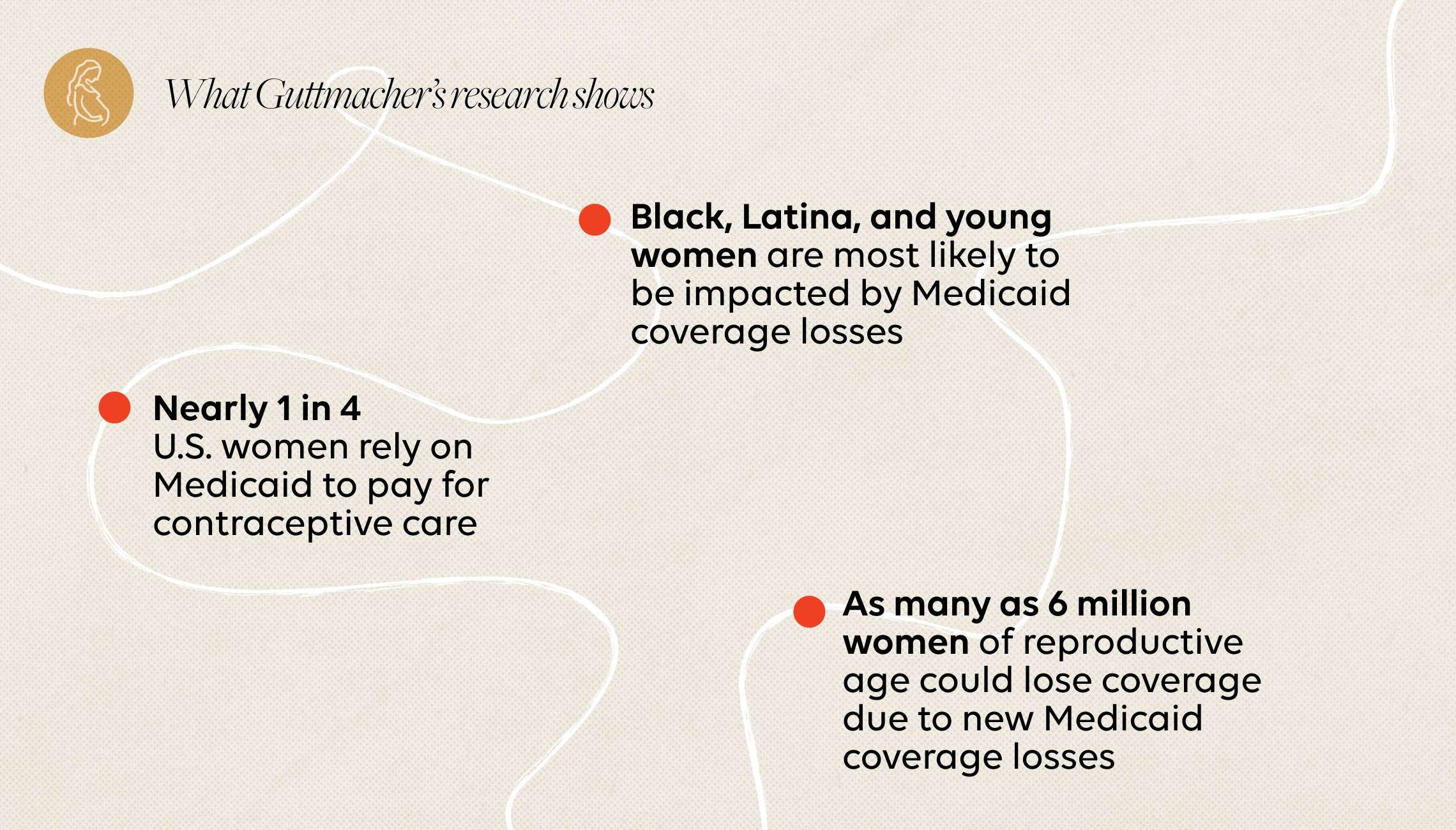
In response, the organization outlined actionable policy recommendations at the state level, where legislators have the power to ensure that more women can get contraceptive care—and control their own futures.
Navigating Pregnancy
For women who choose to have children, they often find they are navigating their pregnancies in a system that seems to have little interest in their health or well-being. Not only is the risk of dying in pregnancy or childbirth in the United States much higher than in other high-income countries, for Black women in the U.S., it’s three times higher than the risk for white women.
With too many women feeling unheard and unseen, the National Partnership for Women & Families knows that the first step to improving care is listening to mothers and putting their voices and experiences front and center. They regularly conduct surveys of thousands of mothers of infants and toddlers to hear directly from them about what it’s like to experience pregnancy, birth, and postpartum care in America. While women’s most recent responses paint a troubling picture, they also point toward practical solutions.
0 of 0
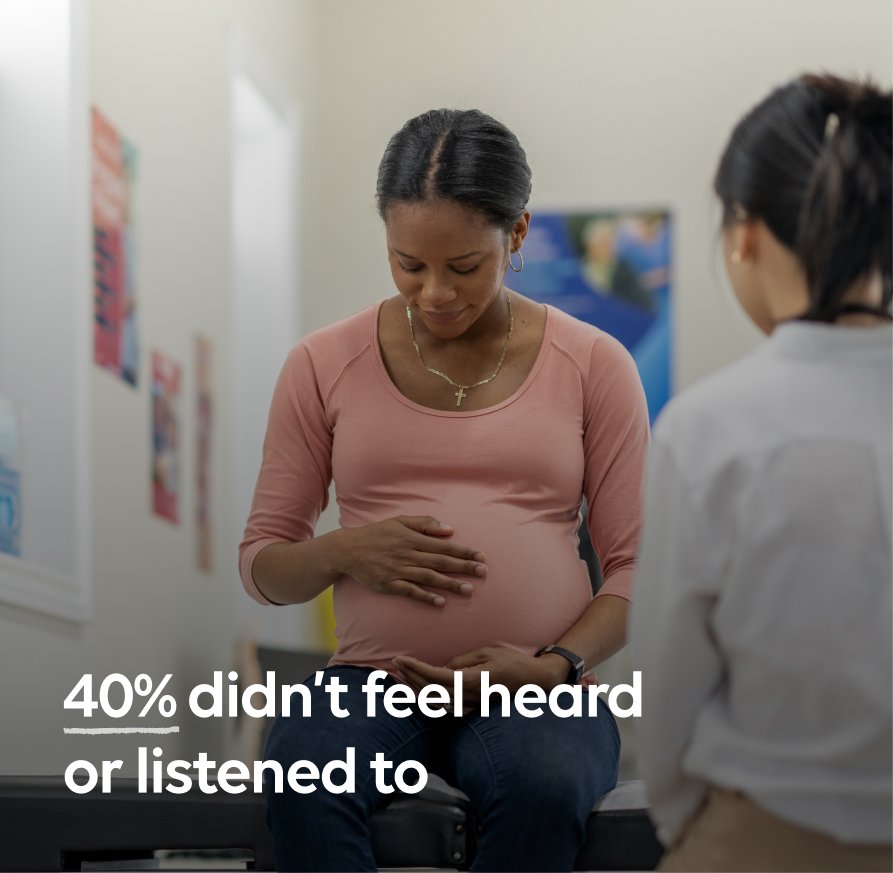
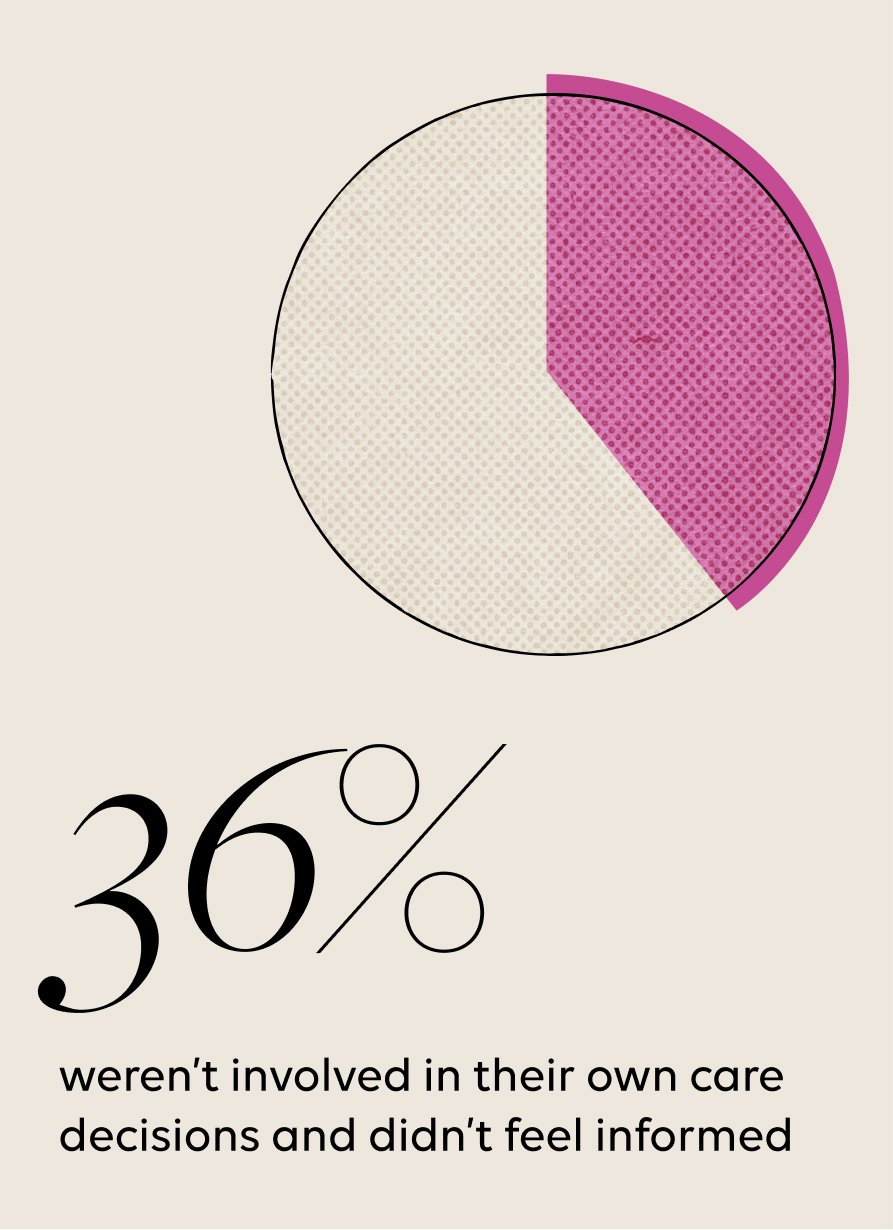
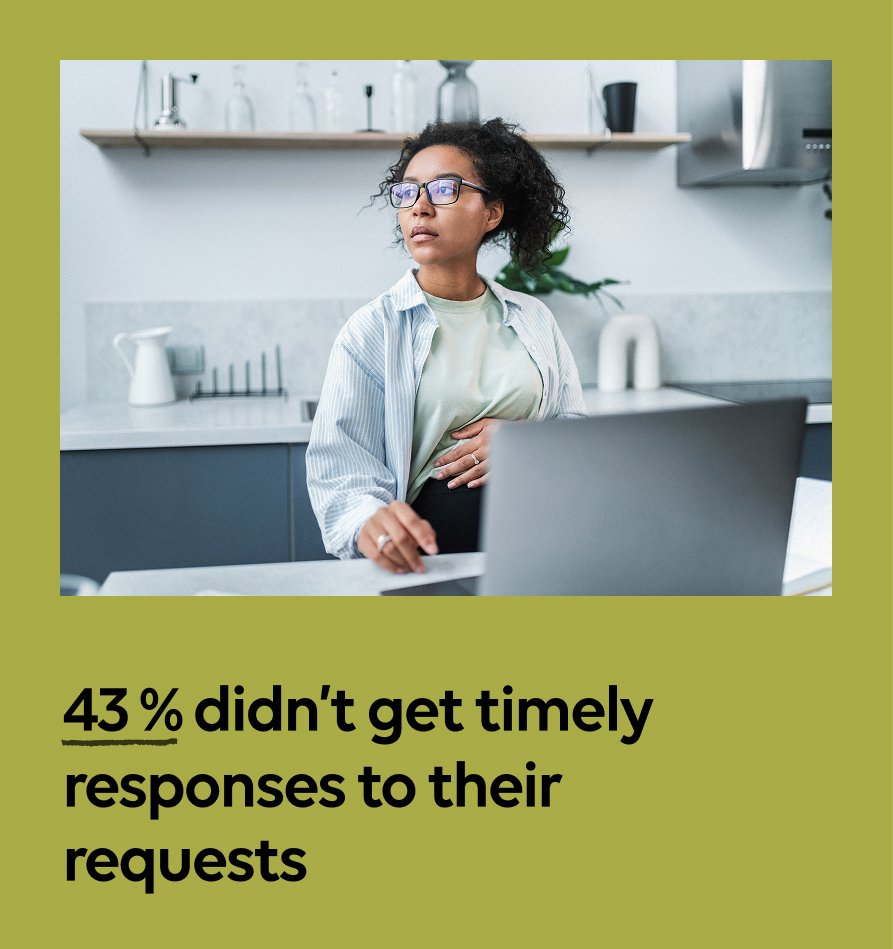
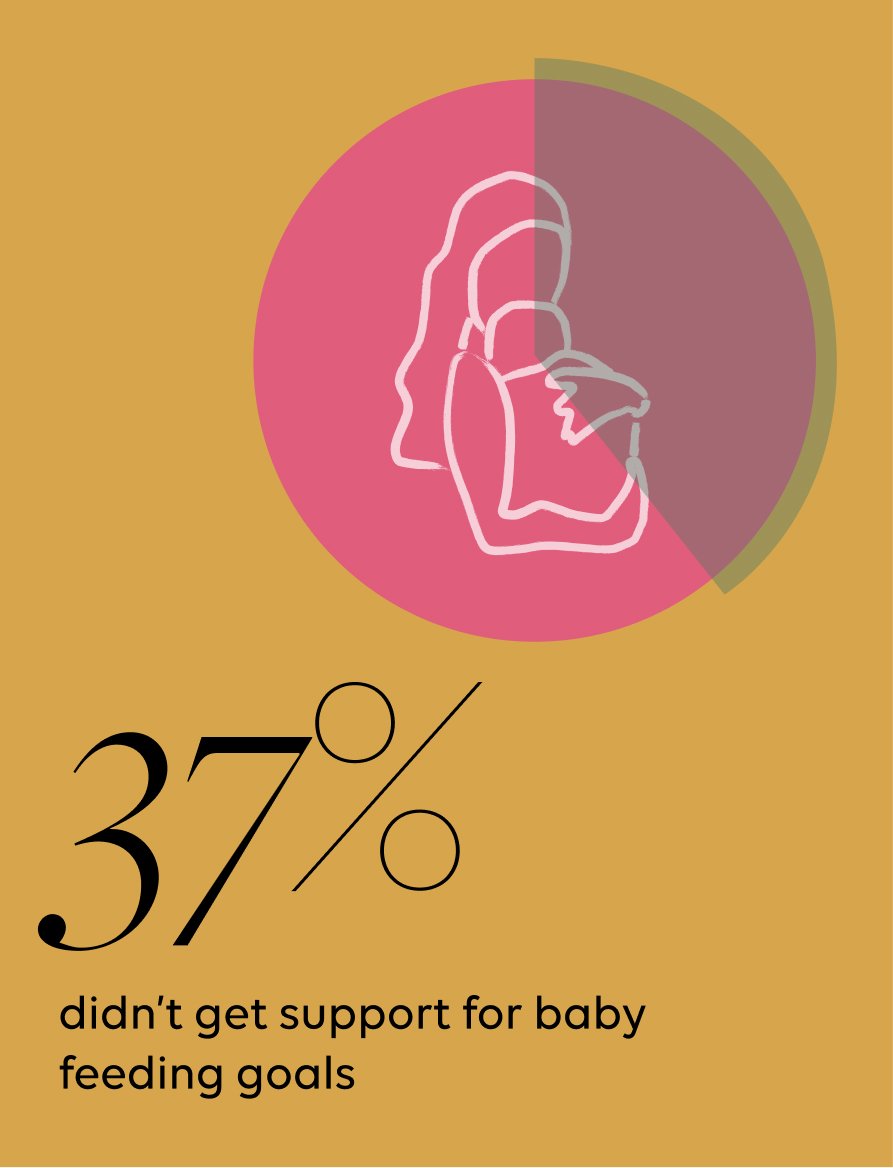
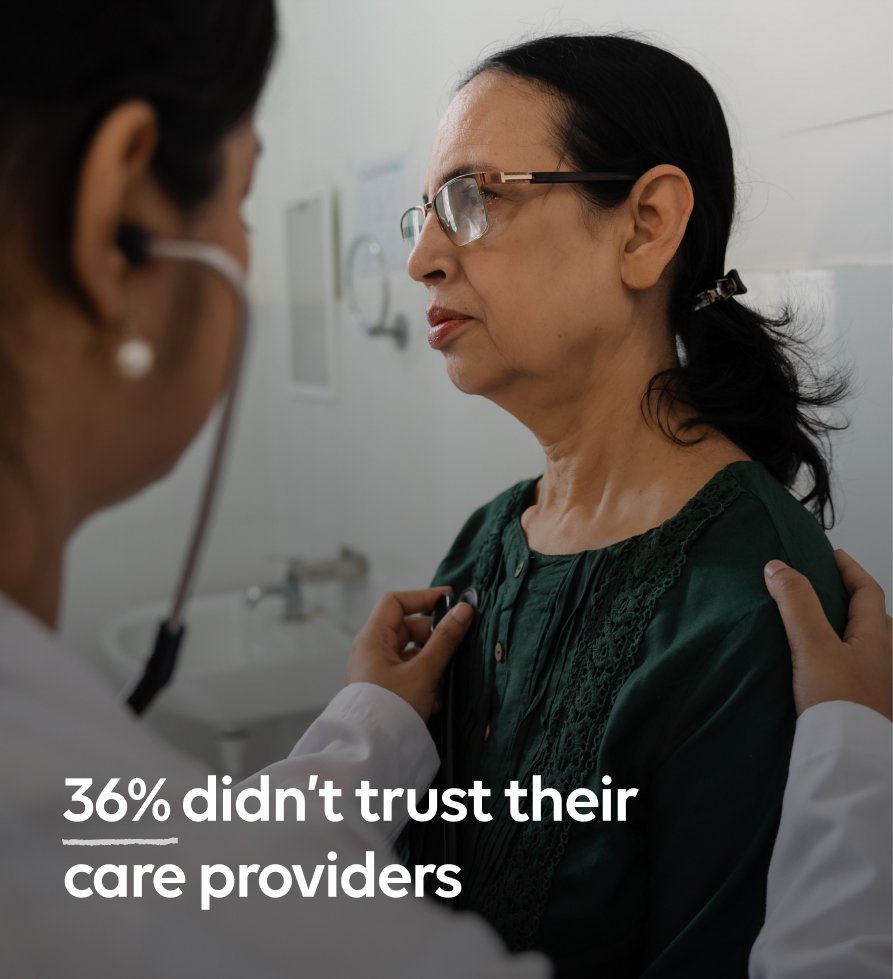
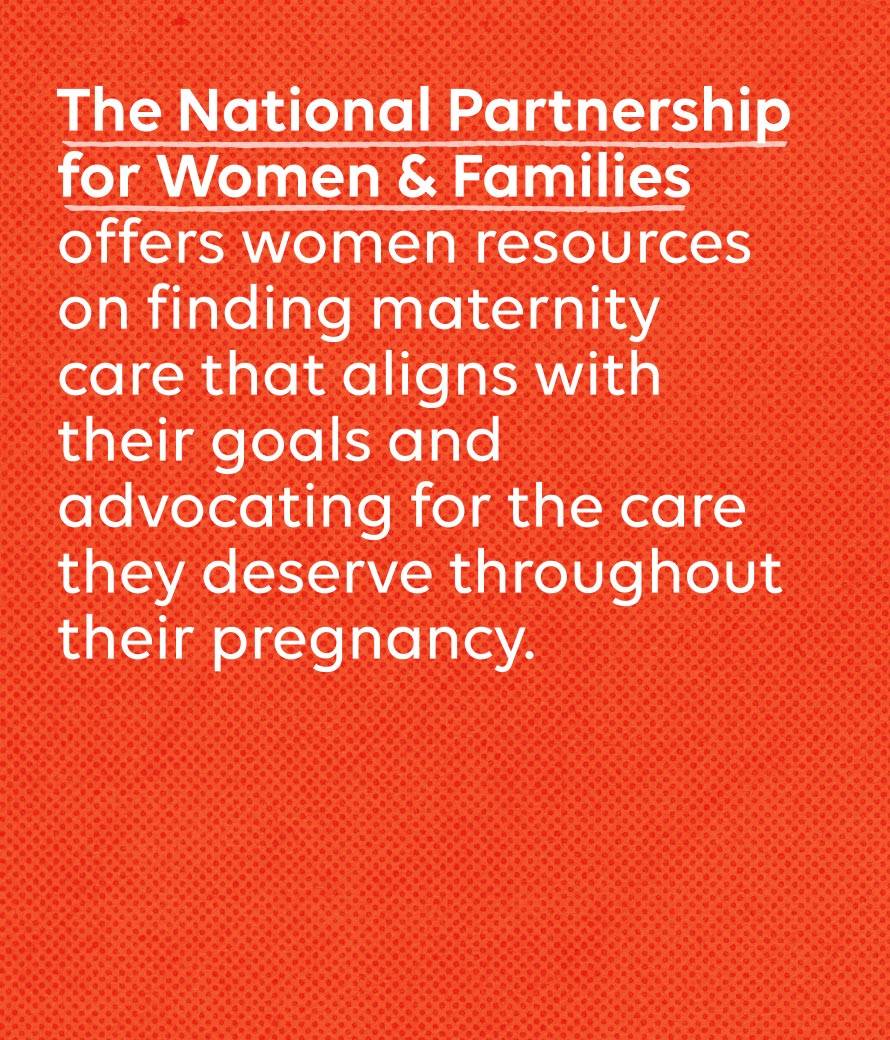
These moms, and the National Partnership for Women & Families, know what better pregnancy care would look like. It would look like having more options to choose from: midwives, doulas, providers who come from the community they’re serving. It would look like appointments where their voices are heard, their experiences valued, and their symptoms evaluated holistically. It would look like support every step of the way.
As one woman shared in the survey, “It makes a world of a difference when you’re actually listened to and respected as a mother, and as a team member in your prenatal care.”
Finding Postpartum Support
Too frequently, new moms find that the lack of support they experienced during their pregnancy extends into the postpartum period—when they are trying to meet not only their newborn’s health needs but also their own.
Maternal and Family Health Services in eastern Pennsylvania meets moms exactly where they are. Through their free nurse-family partnership program, nurses travel to homes and work with families to address the unique barriers they’re each facing. For Joy Golden, that help started during her pregnancy, with support accessing food when money was tight, prepping her home so it was safe for her baby, and learning best practices for feeding and safe sleeping.
The care continued once her son arrived, with nurses walking alongside her as she built a strong foundation for her family. Too many women are left waiting to see a medical professional until their six-week check-up, even though those six weeks are a critical time for a mother’s health. That’s especially the case for mental health—after all, anxiety and depression are the most common complications of pregnancy and childbirth for mothers.
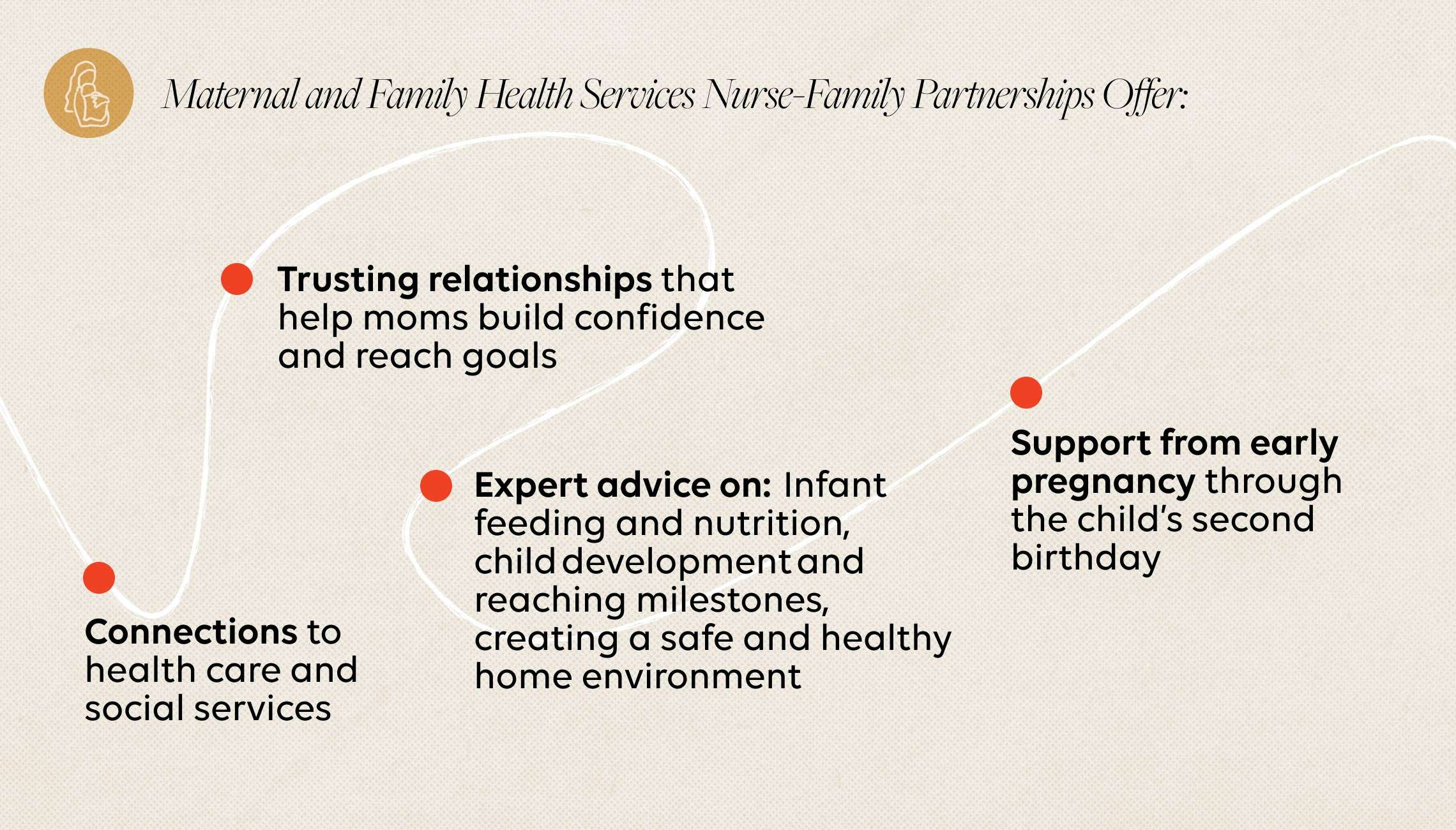
In the U.S., roughly one in five women will experience a mental health condition during or after their pregnancy. In some low-income countries, the rates are even higher. And no matter where those women live, they are unlikely to receive treatment. When they visit, Joy’s team checks in on her mental health—care that she’s called “life-changing.”
“They offer endless support,” Joy said recently. “When I call, they answer. They’re here for me.”
Co-Impact understands that mental health care is health care. That’s why they will partner with local organizations that are embedding mental health care into maternal and primary care systems. Last month, Pivotal Philanthropies announced $40 million in funds to support their work in Africa, with a focus on women’s mental health during their reproductive years.
While there has historically been a shortage of funds to address this need, there has never been a shortage of interest or ideas. Co-Impact’s model is built upon that premise. Their approach to shaping better care for women across Africa starts with African women themselves. They partner with local organizations, trusting local leaders who know what solutions will work for their communities and offering them the resources they need to scale up their operations.
"What makes this partnership powerful is a shared belief that lasting change comes from trusting local leaders, investing flexibly, and committing for the long term."

Olivia Leland
Founder and CEO, Co-Impact
Sign up to receive the latest news about our work.
Managing Menopause
If you want proof that women’s health is systematically overlooked, consider this fact: Just one-third of medical residency programs have a curriculum on menopause. Some doctors remember only a single hour of med school dedicated to menopause—or, startlingly, none at all.
That means that when women ask their doctors for help with the anxiety or insomnia or joint pain that have crept up on them in midlife, they may not get solutions. The Menopause Society knows that doesn’t have to be the case. They not only help patients arm themselves with information when going into their appointments, they also address longstanding gaps in medical training by equipping healthcare professionals with the research, resources, and support they need to better serve women.
Pivotal Philanthropies recently announced $10 million in funds to help expand the Menopause Society’s outreach to physicians and clinicians, especially in care deserts—the more than 6,000 U.S. counties where women’s access to menopause care is the most limited.
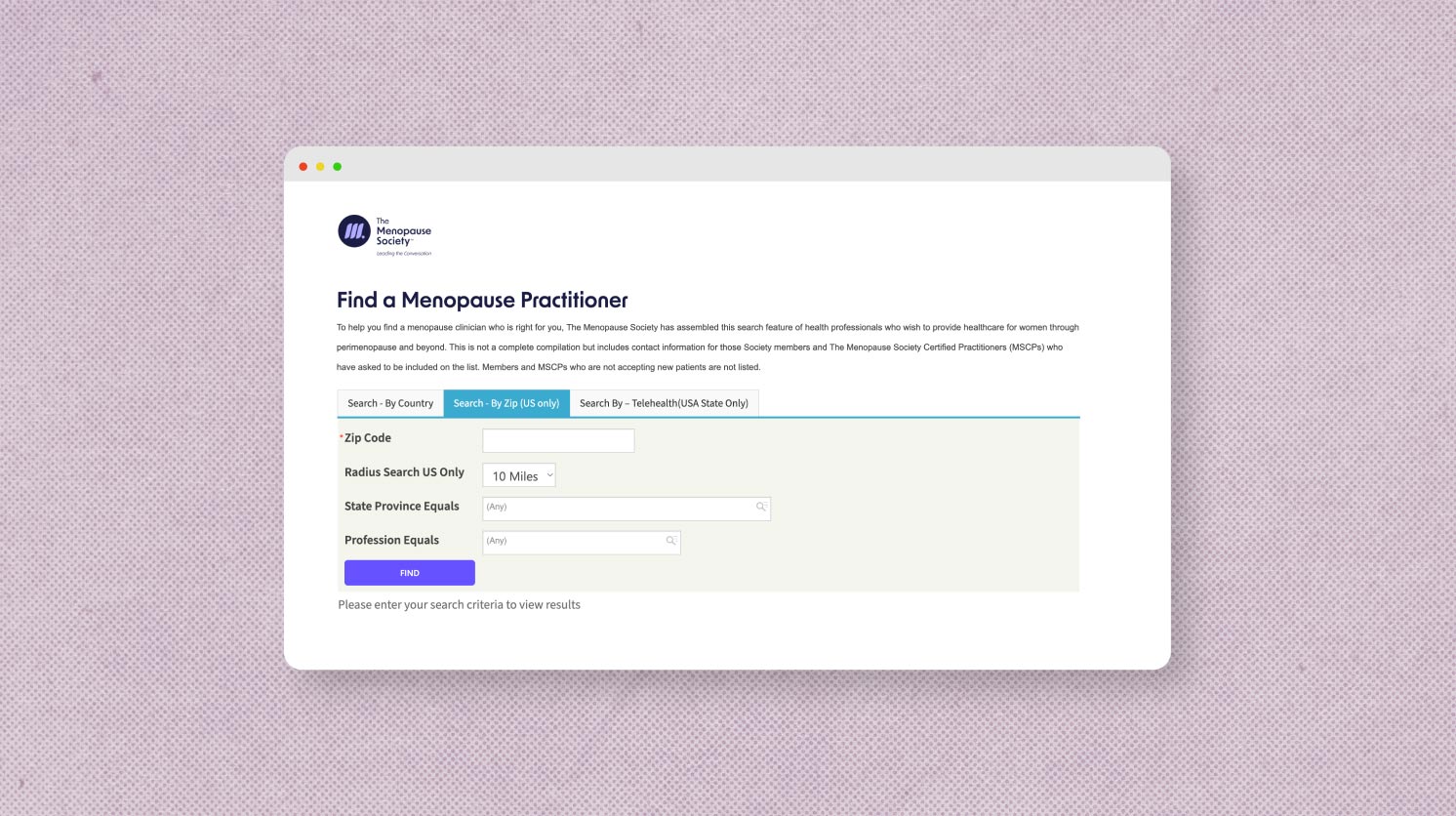
The Menopause Society has not only built a network of physicians who are certified in menopause care, but also a tool to help women across the country search for those clinicians and connect to the dedicated care they deserve.
Menopause doesn’t just mean discomfort. One-third of women in menopause experience serious symptoms, many of which can lead to lifelong, critical health problems.
Getting Effective Midlife Care
Menopause is not the only factor of women’s health in midlife that has been systematically overlooked. There aren’t nearly enough effective treatments for autoimmune conditions, which disproportionately affect women. And cardiovascular disease—the leading cause of death for women—is often incorrectly diagnosed in women because doctors don’t always recognize how it shows up in women differently than men.
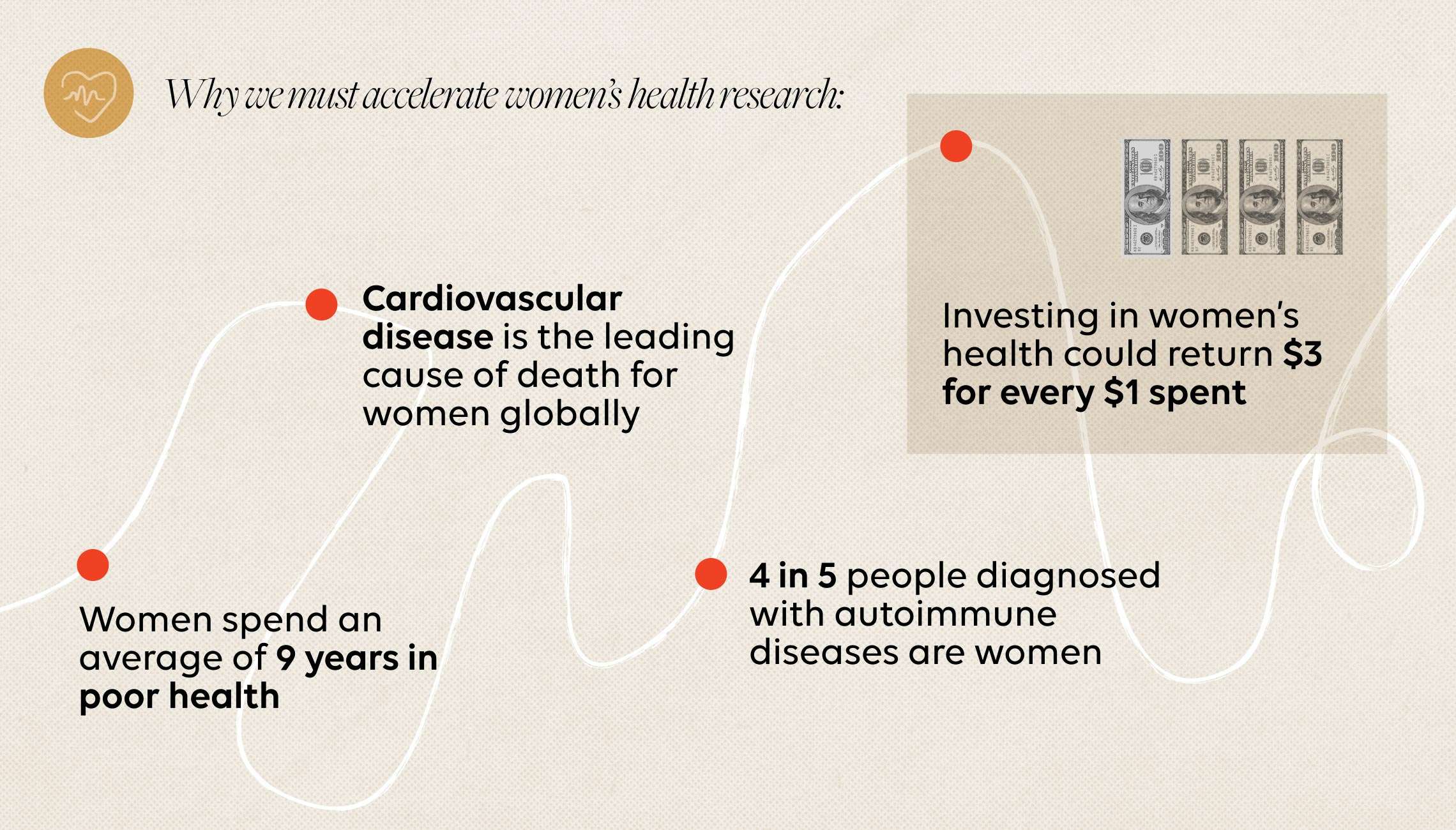
Wellcome Leap aims to change that by focusing on how diseases specifically affect women and accelerating breakthroughs in women’s health research. They’re looking for novel treatments for heavy menstrual bleeding, for instance, and seeking to reduce the risks of Alzheimer’s. Pivotal Philanthropies is advancing Wellcome Leap’s work through a joint $100 million partnership that is funding programs like VISIBLE, which will transform how we diagnose and treat heart disease in women.
Wellcome Leap takes an innovative approach to research—one that brings together teams of experts to produce solutions in years, not decades. For too long, men’s bodies were treated as the default and women’s health was treated as a mystery not worth solving. This fast-track model can help make up for lost time.
Learn more about our work on women's health