






Special Initiative

Women’s Health and Well-Being

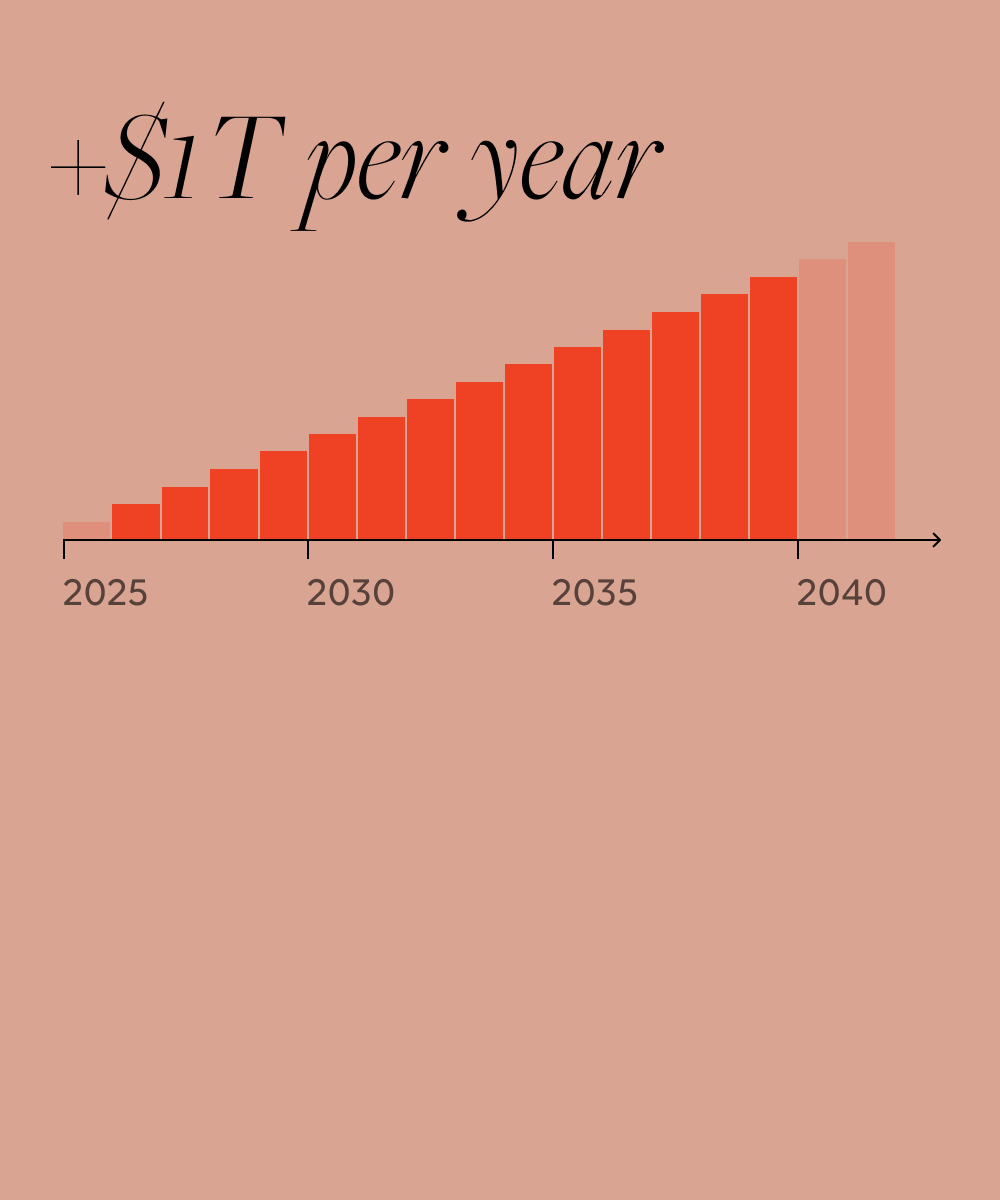
Women’s health has long been underfunded and overlooked—leaving women in worse health than men. It’s time for new research, tools, and approaches to care so women can be healthy and step into their full power.

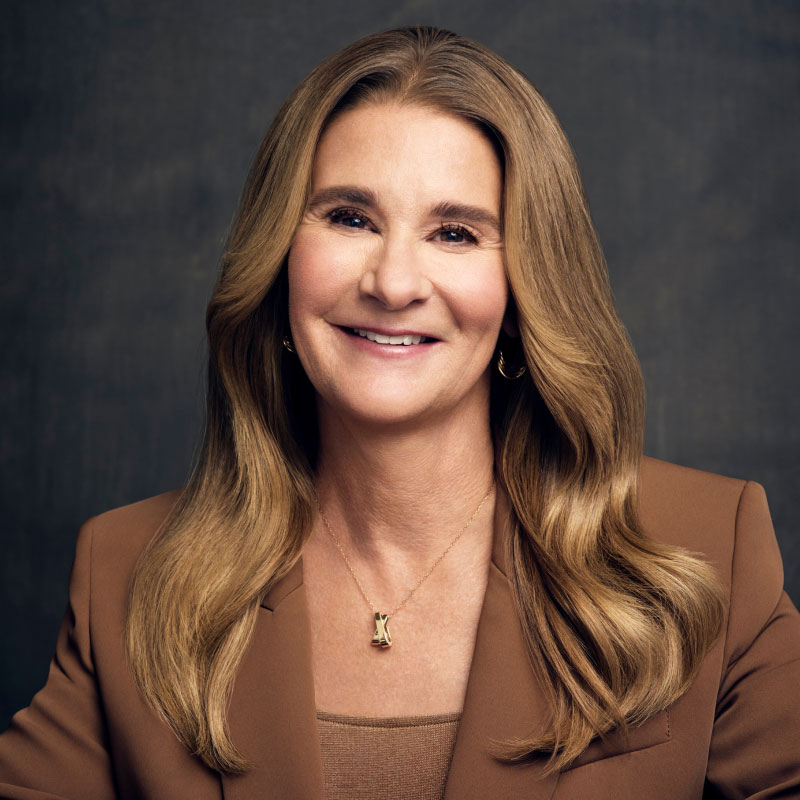
"The right care at the right time can change everything for a woman."

Melinda French Gates
Philanthropist and Founder, Pivotal

Our Approach

We’re working alongside organizations all over the world to ensure women’s health gets the attention and investment it deserves, with a focus on two key periods in a woman’s life: the reproductive years and midlife.

Expanding access to reproductive care

The reproductive years are a critical time for a woman, with lasting implications for her health and well-being. The care she receives during this stage can determine the trajectory of the rest of her life.

One essential aspect of this care is contraception. Contraceptives are safe, effective tools that give women the power to shape their families and their futures. Yet all over the world, they’re increasingly hard to access. From cost and availability to restrictive public policies and stigma, many barriers stand between women and the tools and services they want. We’re continuing and building on our work with partners to dismantle these barriers, especially for underserved women in the U.S.

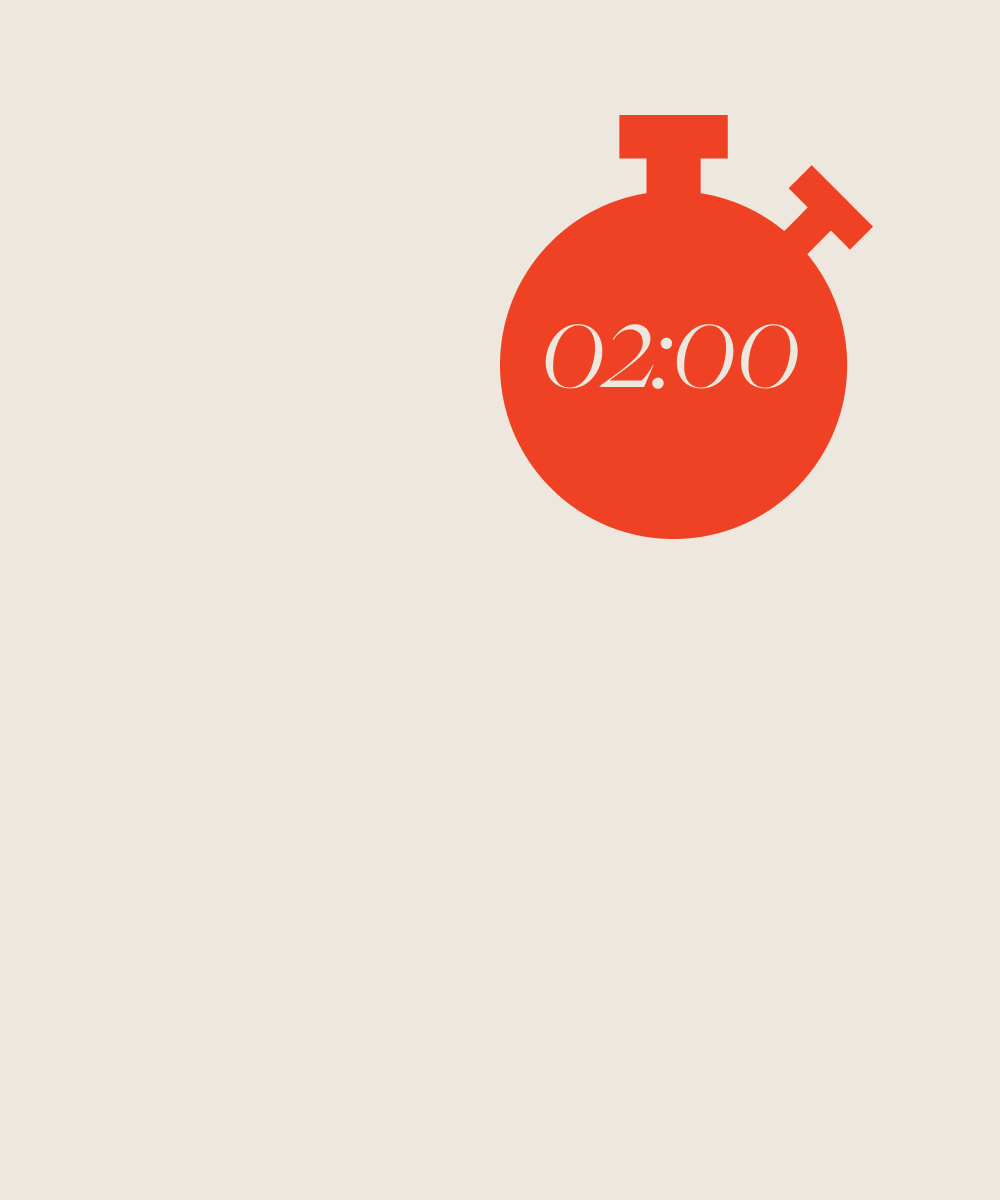
We’re also supporting efforts to expand access to better maternal health care. Globally, more than 700 women die every day from preventable causes related to pregnancy and childbirth. That’s one woman every two minutes. What’s more, where you live—and who you are—often determines whether you get the care you need. In the U.S., Black women are three times more likely than white women to die in pregnancy or childbirth.

We’re working to address those disparities by strengthening and scaling affordable, community-based care models that meet women where they are and deliver the care they deserve.
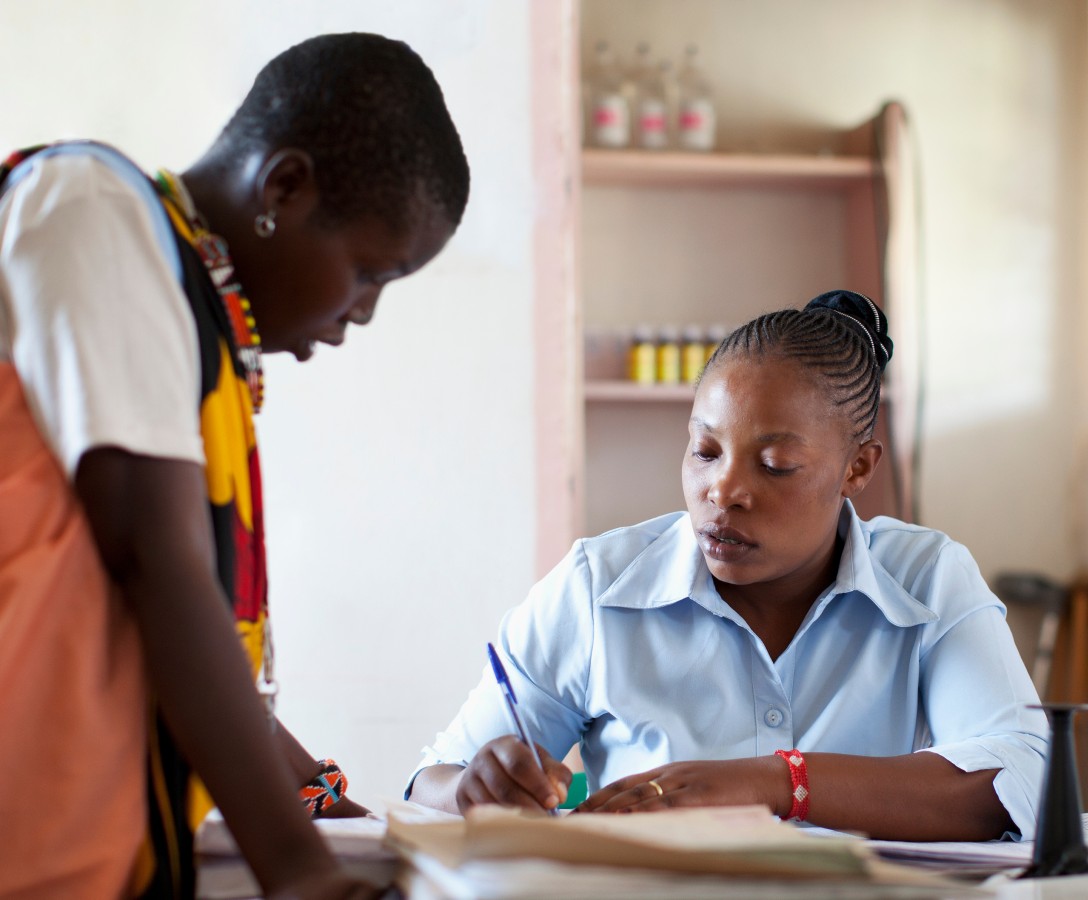

A doctor and patient discuss care at a clinic.

Hugh Sitton/Getty Images

Integrating mental health into maternal care

The most common complication of pregnancy and childbirth for mothers in the U.S. isn’t bleeding or infection—it’s mental health conditions like anxiety or depression. About 1 in 5 mothers experience these issues during or after pregnancy, yet most never receive treatment.

We’re funding efforts in the U.S. and around the world to integrate mental health care into routine visits—including primary and maternal care—so women can get the support they need along with the care they’re already receiving.

A mother cradles her baby in her arms.

Goodboy Picture Company/Getty Images

Improving menopause care

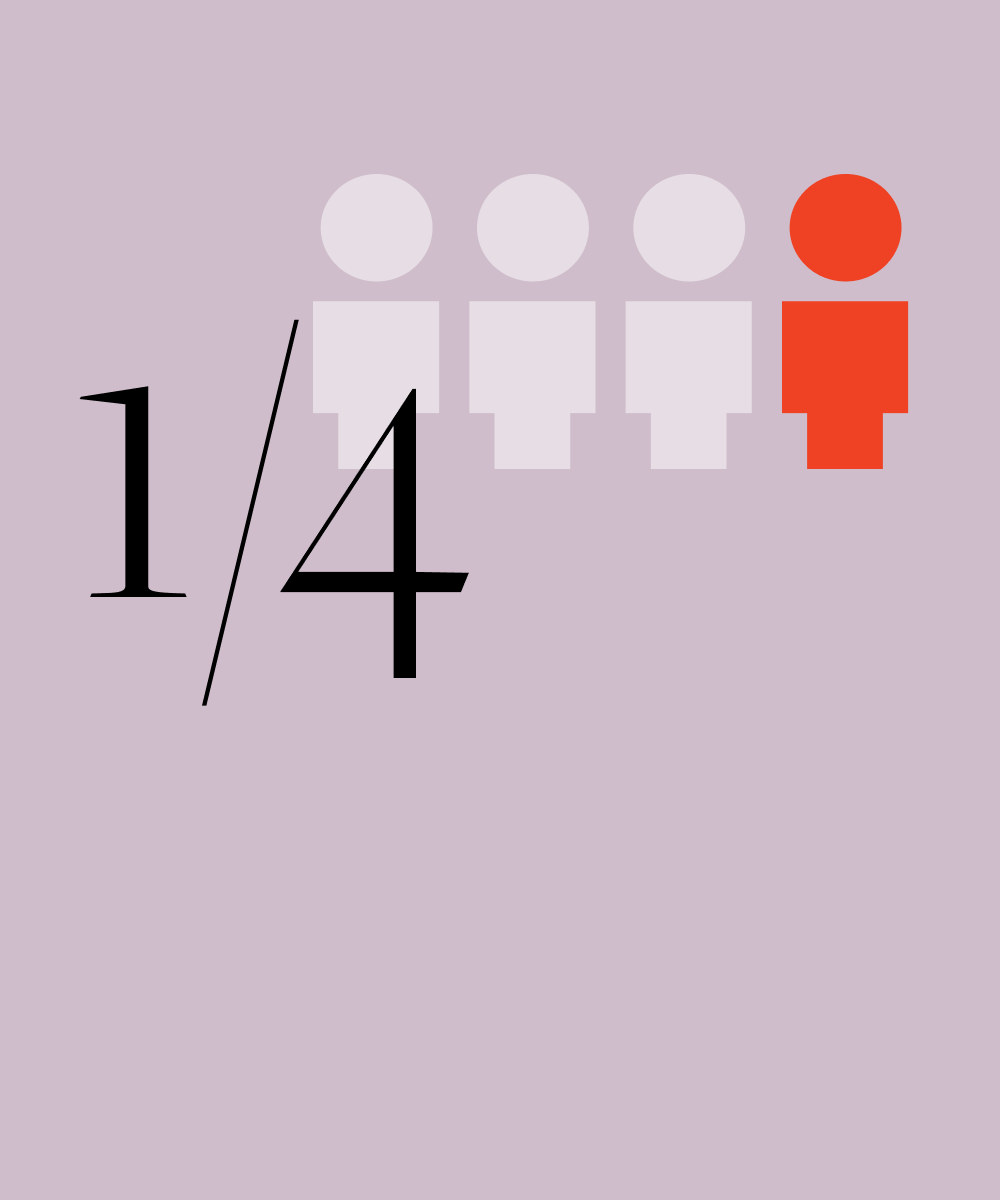
Nearly every woman goes through menopause—often during the years she’s also managing work and caregiving responsibilities. For many, it can be debilitating: One-third of women over 40 experience severe symptoms. Despite how common menopause is, so many women still aren’t receiving the care they need. Only one-quarter of women with menopause symptoms ever get treated.

Part of the problem is that menopause is widely overlooked and underfunded. Gaps in research and medical training leave many providers unequipped to recognize or treat menopausal symptoms—and leave many women without the knowledge or tools to manage them.

We’re working alongside partners to help fill those gaps and improve the standard of menopause care so that every woman has access to evidence-based support when she enters this stage of her life.

An older woman speaks with her doctor at the hospital.

Hispanolistic/Getty Images

Catalyzing funding in women’s health research

For too long, research has treated men’s bodies as the default and women’s bodies as an afterthought. When it comes to conditions that primarily affect women, or affect women differently than men, there’s still a lot we don’t know about how to diagnose and treat them. Cardiovascular disease, for example, is the leading cause of death for women globally, yet providers aren’t fully equipped to understand how it shows up differently in women compared to men.

As part of our efforts to accelerate breakthroughs in women’s health and well-being, Pivotal and Wellcome Leap committed a total of $100 million to research conditions impacting women’s lives, including cardiovascular health.

With Wellcome Leap’s proven model, which brings together groups of experts from different sectors and industries to pursue bold goals on ambitious timelines, we expect to see outcomes years—even decades—sooner than we would through other approaches.

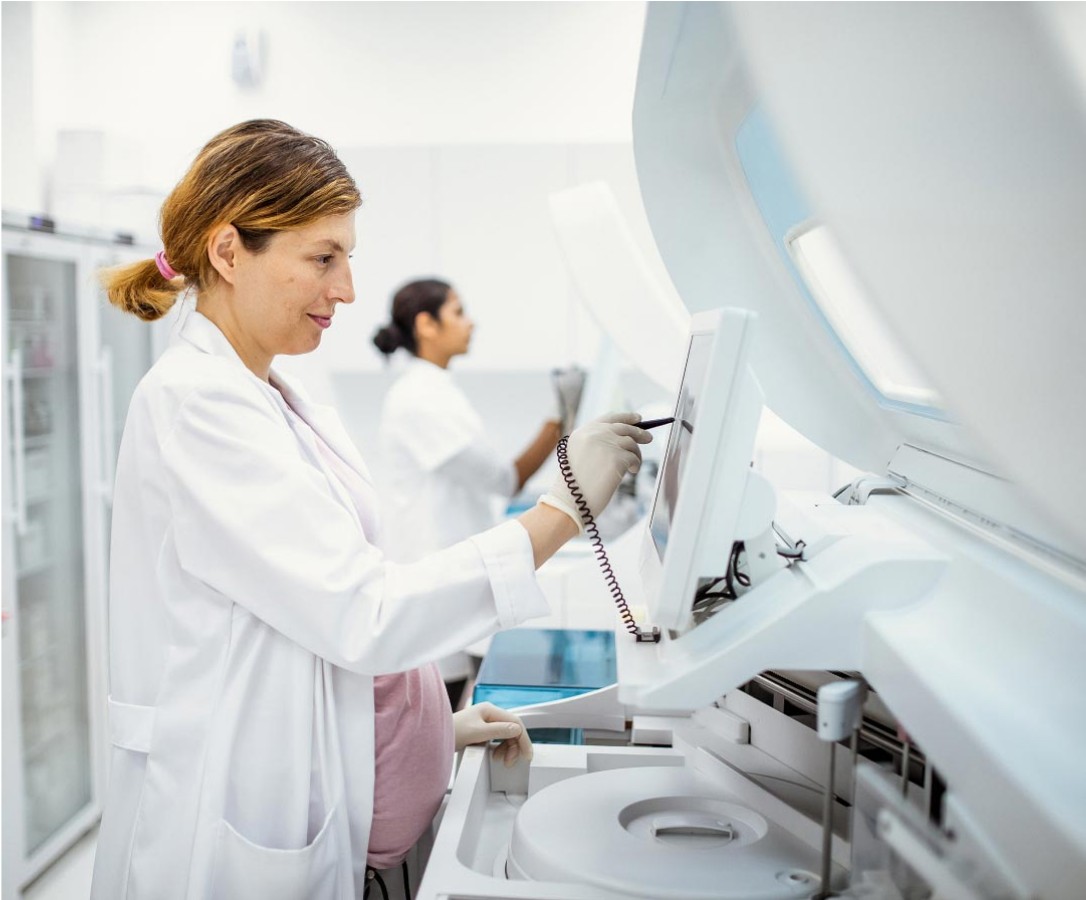
A female laboratory technician working with medical equipment.

sanjeri/Getty Images

Action for Women's Health

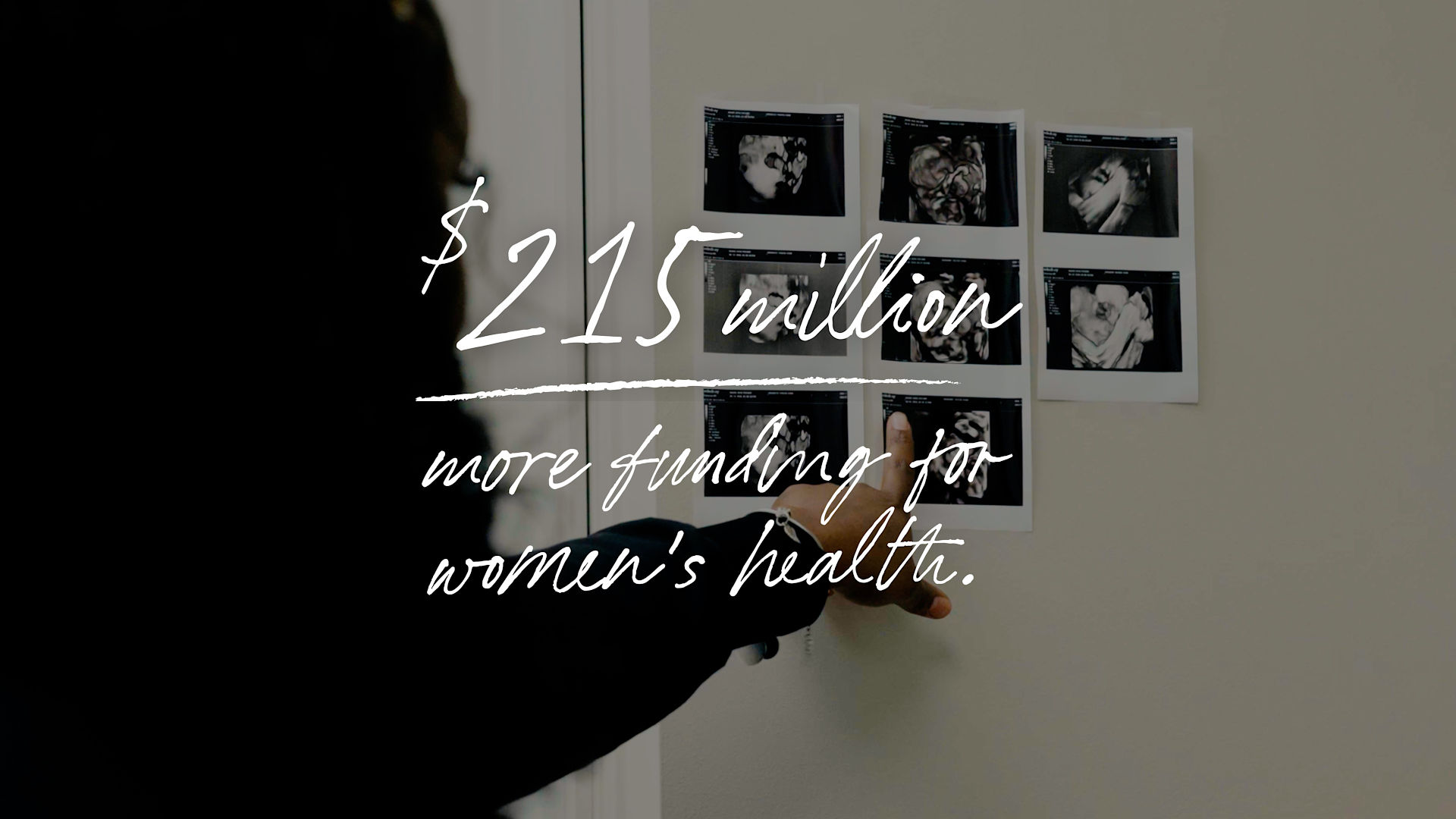
Action for Women’s Health, a $250 million initiative managed by our partner, Lever for Change, was created to find and fund organizations working to improve women’s mental and physical health. We identified 80+ organizations in 22 countries across six continents that are working in innovative ways to deliver quality care women want and need.

  • WAWC is expanding access to care for low-income women.

    Action for Women’s Health awardee WAWC is bringing a powerful model of care to Alabama. Providers walk alongside patients at every step of their reproductive and maternal health journey—integrating a wide range of essential services into their care, from mental health support to transportation to appointments.

    Meet the Awardees